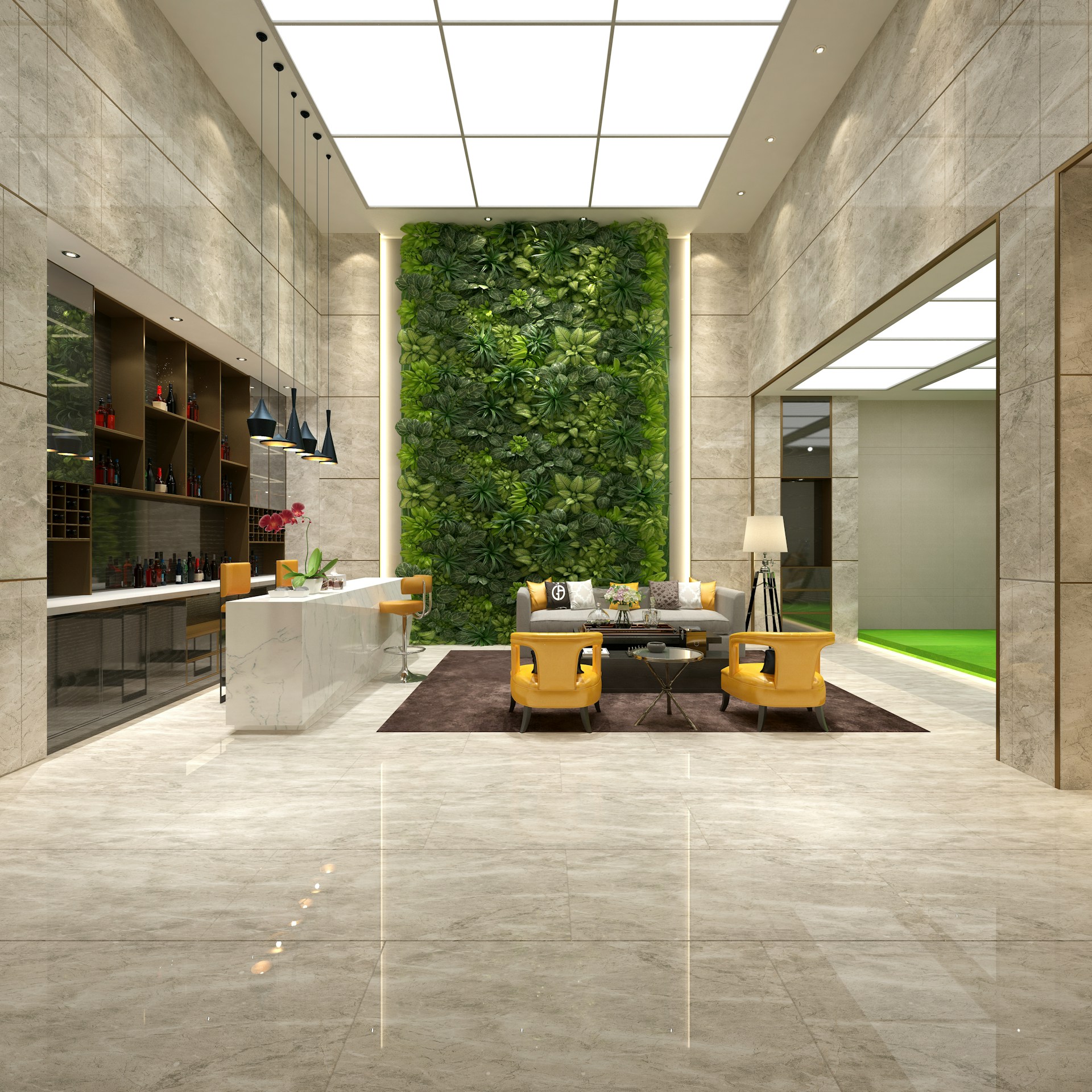
Buildings shape the way we live, work, and connect with the world. Today, however, they also shape the health of our planet. As climate concerns grow and energy costs rise, more builders and property owners look for smarter solutions. That is why sustainable building practices today have become more than a trend; they have become a necessity. From energy savings to improved indoor air quality, these strategies benefit both people and the environment. In fact, many developers now focus on long-term value through energy-efficient architecture, knowing it reduces waste while improving comfort.
Sustainable construction does not mean giving up style or comfort. Instead, it means making thoughtful choices across design, materials, and daily operations. As a result, modern green buildings often look sleek, feel healthier, and cost less to run over time. So let us explore how sustainable building practices today are changing the construction industry and why they matter for the future.
Why Sustainable Building Matters More Than Ever
First of all, buildings consume a large share of global energy. They also create significant carbon emissions through heating, cooling, lighting, and construction materials. Therefore, when builders choose smarter methods, they can cut emissions significantly. Sustainable building practices today focus on reducing that impact from the very start.
At the same time, communities want healthier indoor spaces. Traditional construction can trap pollutants, dust, and chemicals inside. However, green design uses better ventilation, safer materials, and natural light. As a result, people who live or work in sustainable buildings often report better comfort and productivity. Because of these benefits, governments and private companies now support eco-friendly construction through incentives and updated building codes.
Smart Design Starts With Planning
Good sustainability begins on the drawing board. Architects now design buildings that use natural sunlight, airflow, and shading to lower energy needs. For example, they may place windows to capture winter sun while blocking harsh summer heat. In addition, they often design open layouts that allow air to move freely.
Site selection also plays a key role. Builders who choose locations near public transportation help reduce car use. They also protect natural habitats by avoiding sensitive land. Moreover, thoughtful landscaping with native plants cuts water use and supports local wildlife. These early decisions shape how well a building performs for decades.
Modern Materials That Reduce Environmental Impact
Materials matter just as much as design. Many traditional building products require heavy energy to produce and transport. However, sustainable building practices today promote recycled, renewable, and locally sourced materials. For instance, builders often use reclaimed wood, recycled steel, and low-impact concrete alternatives.
In addition, innovative options like low-carbon concrete solutions reduce greenhouse gas emissions during construction. This shift matters because concrete production alone accounts for a significant share of global carbon emissions. By choosing greener materials, developers can reduce the building’s environmental footprint before it even opens its doors. Over time, these choices add up to major savings for both the planet and the project budget.
Energy Efficiency Through Advanced Technology
Technology has transformed how buildings manage energy. Today, smart systems monitor heating, cooling, and lighting in real time. As a result, they adjust automatically to reduce waste. For example, motion sensors turn off lights in empty rooms, while smart thermostats adapt to occupancy patterns.
Solar panels have also become more affordable and efficient. Therefore, many buildings now generate their own on-site clean energy. Some projects even generate more power than they consume, sending excess electricity back to the grid. In addition, battery storage allows buildings to store solar energy for use at night. Together, these technologies make sustainable building practices today both practical and powerful.
Water Conservation in Modern Construction
Water scarcity affects many regions around the world. Because of this, sustainable buildings focus on cutting water use indoors and outdoors. Low-flow fixtures, efficient toilets, and smart irrigation systems reduce daily consumption. As a result, property owners lower their utility bills while protecting local water supplies.
Rainwater harvesting systems also collect and reuse water for landscaping or flushing toilets. Furthermore, green roofs absorb rain and reduce runoff. These roofs not only manage stormwater but also improve insulation and reduce heat in urban areas. When combined, these water-saving strategies create buildings that respect natural resources.
Healthier Indoor Environments for Occupants
Sustainable building practices today go beyond energy and water savings. They also aim to improve human health. Builders now choose paints, adhesives, and flooring that release fewer harmful chemicals. Because of this, indoor air stays cleaner and safer.
Natural light also plays a major role. Studies show that exposure to daylight improves mood and productivity. Therefore, architects design larger windows and skylights whenever possible. In addition, advanced ventilation systems bring in fresh air while filtering out pollutants. These features help create spaces where people can thrive every day.
The Role of Green Certifications and Standards
Certifications help guide and measure sustainability efforts. Programs such as LEED and WELL set clear standards for energy, water, materials, and health. Because of these frameworks, developers can track progress and demonstrate performance.
Moreover, certifications increase property value and attract tenants who care about the environment. Investors also favor buildings that meet high sustainability standards. As awareness grows, more projects aim for strong ratings. This shift encourages the entire industry to raise its environmental performance.
Community Impact and Urban Resilience
Sustainable construction not only helps individual buildings. It also strengthens entire communities. For example, green developments often include public spaces, walkable streets, and access to transportation. As a result, they reduce traffic congestion and improve air quality.
Cities also face rising temperatures and extreme weather. However, features like green roofs, shaded areas, and permeable pavements reduce heat and manage heavy rainfall. In this way, sustainable design improves urban resilience. Because climate risks continue to grow, these strategies will become even more important in the years ahead.
The Future of Sustainable Building Practices Today
The future of construction looks greener and smarter. Builders continue to test new materials, digital tools, and design strategies. For example, modular construction reduces waste by producing components in controlled factories. In addition, circular economy principles encourage the reuse and recycling of materials at the end of a building’s life.
Technology will also drive progress. Artificial intelligence can analyze energy data and suggest improvements in real time. This approach supports climate-resilient infrastructure planning across cities and regions. As innovation grows, sustainable building practices today will evolve into even more efficient and adaptive systems. Ultimately, these efforts create a built environment that supports both people and the planet for generations to come.