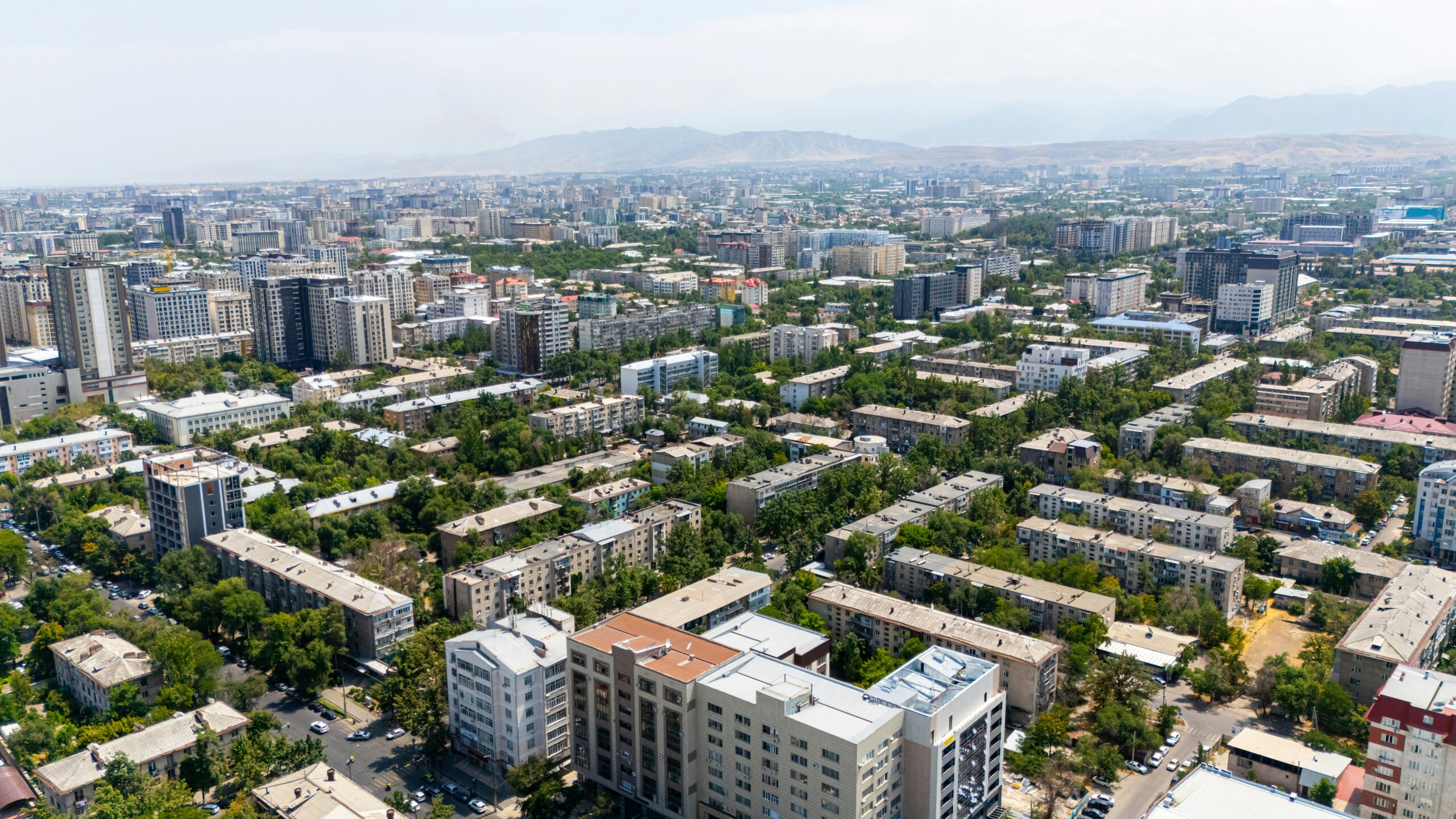
Urban planning is evolving beyond traditional concepts of zoning and road networks. Modern cities face the dual challenge of accommodating growing populations while ensuring environmental sustainability and social inclusivity. Creating future-ready communities requires innovative planning strategies that prioritize green infrastructure, accessible transportation, smart technology, and resilient public spaces. By integrating these elements, urban planners can design cities that are not only functional but also vibrant and livable for generations to come.
Integrating Sustainability Into Urban Design
Sustainable urban planning is at the core of future community development. Planners are increasingly adopting eco-friendly materials, renewable energy solutions, and green building standards. Sustainable design reduces environmental impact while providing healthier living conditions. Green spaces, urban forests, and rooftop gardens contribute to improved air quality, reduced urban heat, and enhanced biodiversity, supporting the long-term resilience of communities.
Water management systems and energy-efficient infrastructure further support sustainability goals. Cities that prioritize sustainable practices help mitigate the impacts of climate change, making communities safer and more resilient to environmental challenges. By embedding sustainability into every aspect of urban development, planners create cities that thrive economically, socially, and ecologically.
Creating Inclusive and Equitable Communities
Urban planning must address social equity to ensure all residents have access to essential services and opportunities. Inclusive communities integrate affordable housing, accessible transportation networks, and proximity to education, healthcare, and recreation. Engaging residents in decision-making ensures that community development reflects local needs and values.
Equity-focused planning fosters stronger social cohesion and reduces disparities in health, education, and economic opportunity. By designing spaces that accommodate diverse populations, urban planners help build resilient communities where every individual can thrive.
Smart Technology and Data-Driven Planning
The rise of smart cities has transformed urban planning. Digital technologies, including sensors, IoT devices, and data analytics, enable planners to monitor traffic flow, energy use, and public safety in real-time. This information allows for proactive decision-making and efficient management of urban resources.
Technology also enhances citizen engagement by providing platforms for feedback and collaboration. Data-driven planning ensures that urban growth aligns with resident needs while optimizing city operations. Smart solutions create cities that are adaptive, efficient, and responsive to changing circumstances.
Transportation and Mobility Solutions
Future urban communities rely on integrated, multimodal transportation systems. Public transit, pedestrian-friendly pathways, and cycling infrastructure reduce congestion and environmental impact. Planners are exploring innovations such as electric buses, autonomous vehicles, and shared mobility networks to enhance efficiency and accessibility.
Reducing dependence on private vehicles not only improves air quality but also creates safer, more connected urban environments. Thoughtful transportation planning supports both sustainability and quality of life, enabling residents to move seamlessly within their cities.
Resilient Infrastructure and Climate Adaptation
Resilience is critical for urban communities facing extreme weather, rising sea levels, and other climate challenges. Planners incorporate flood management, stormwater systems, and heat-resistant infrastructure to ensure cities remain functional during environmental disruptions. Resilient design protects residents and businesses while reducing economic and social vulnerabilities.
Adaptive planning also involves designing flexible spaces that can evolve as community needs change. Buildings, public areas, and transportation networks must accommodate population growth, technological advancements, and unforeseen challenges. Resilient urban planning strengthens a city’s ability to thrive under both current and future conditions.
Fostering Vibrant Public Spaces
Public spaces define the character of a city. Parks, plazas, cultural centers, and recreational areas provide residents with opportunities to interact, exercise, and engage in civic life. Well-designed public spaces encourage physical activity, enhance mental well-being, and promote social interaction.
Mixed-use developments that integrate residential, commercial, and recreational spaces enhance walkability and reduce commuting time. Vibrant public spaces support economic activity while fostering a sense of community pride and belonging.
Housing Strategies for Growing Populations
As urban populations expand, housing affordability and availability are essential considerations. Planners adopt high-density residential developments, adaptive reuse of underutilized buildings, and mixed-income neighborhoods to meet demand.
Integrating housing with transportation, green spaces, and community services ensures residents enjoy a high quality of life. Housing strategies that balance density, accessibility, and sustainability create communities that are both livable and resilient.
Community Engagement and Collaborative Planning
Successful urban planning requires collaboration among government, developers, and residents. Engaging communities in planning processes ensures transparency, accountability, and responsiveness. Public input helps planners identify priorities and create urban spaces that reflect the needs of those who live and work there.
Collaborative approaches build trust, strengthen social cohesion, and empower residents to take an active role in shaping their environment. Inclusive planning practices lead to communities that are adaptive, resilient, and harmonious.
Preparing for the Cities of Tomorrow
The cities of the future must balance growth, innovation, and human well-being. By integrating sustainability, social equity, smart technology, resilient infrastructure, and vibrant public spaces, urban planners can design communities that thrive under evolving conditions.
Future-focused urban planning is not just about creating structures and transportation networks; it is about designing ecosystems where people, technology, and nature coexist harmoniously. Cities built on these principles can foster economic prosperity, environmental stewardship, and social cohesion for generations.
Innovative urban planning transforms cities into sustainable, inclusive, and adaptable communities. By anticipating challenges, leveraging technology, and prioritizing residents’ well-being, planners lay the foundation for urban environments that are resilient, livable, and ready to meet the demands of tomorrow.