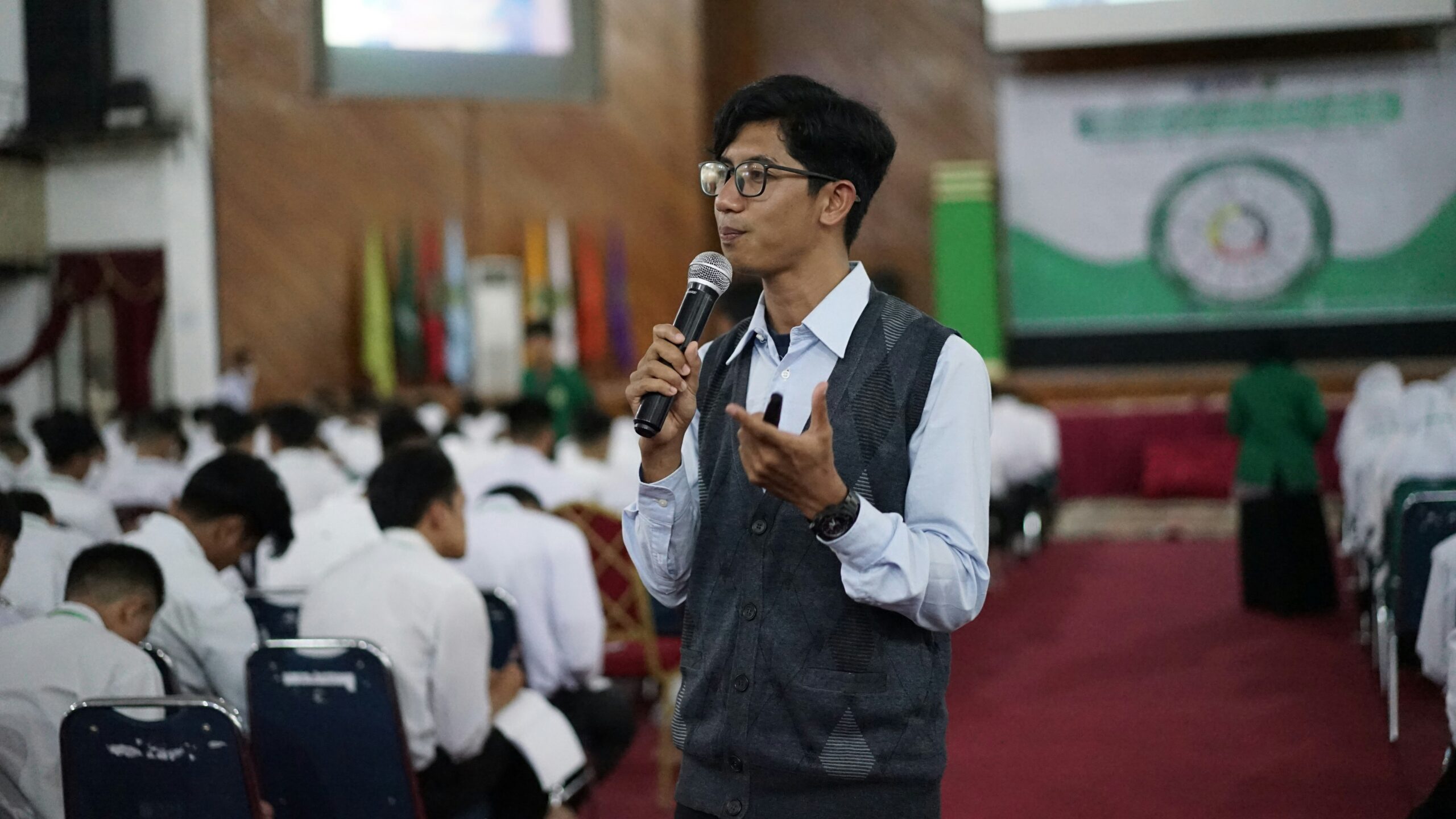
Developing youth leadership skills is essential for building strong communities and a resilient future. Today’s young people face rapid social, technological, and economic changes, and therefore, they need more than academic knowledge to succeed. Leadership skills such as communication, empathy, decision-making, and accountability help youth navigate challenges with confidence and purpose. When society invests in leadership development early, it empowers young people to become proactive contributors rather than passive participants.
Moreover, youth leadership development is not only about creating future CEOs or politicians. Instead, it focuses on shaping responsible individuals who can positively influence their families, schools, and neighborhoods. By encouraging leadership skills at a young age, adults help youth recognize their potential and understand the impact of their actions. As a result, young leaders grow into adults who value collaboration, integrity, and service.
Understanding Leadership at a Young Age
Leadership for youth begins with self-awareness and responsibility. At an early stage, young people learn leadership by taking ownership of their actions and understanding how their behavior affects others. Therefore, teaching leadership does not require formal titles or positions. Simple activities such as group projects, classroom roles, or community volunteering can naturally and effectively introduce leadership concepts.
Furthermore, youth leadership emphasizes influence rather than authority. When young people learn that leadership means guiding, listening, and supporting others, they develop healthier relationships. Consequently, this mindset reduces fear of failure and builds confidence. By framing leadership as a skill anyone can create, adults make it more accessible and less intimidating for youth.
Building Communication and Listening Skills
Strong communication is the foundation of effective leadership. For youth, this means learning how to express ideas clearly while respecting different viewpoints. Therefore, encouraging open discussions in classrooms, clubs, and families helps young people practice speaking with confidence. Activities such as debates, presentations, and storytelling allow youth to articulate their thoughts and refine their voices.
At the same time, listening skills are equally crucial for leadership growth. However, many young people struggle to listen actively in a fast-paced, digital world. Teaching them to listen with empathy helps them understand others’ needs and perspectives. As a result, young leaders become better problem-solvers and team players who value collaboration over dominance.
Encouraging Critical Thinking and Decision-Making
Leadership requires the ability to think critically and make informed decisions. For youth, developing these skills involves learning how to analyze situations and consider consequences. Therefore, adults should encourage young people to ask questions, explore multiple solutions, and reflect on outcomes. Real-life scenarios, such as planning events or resolving conflicts, provide valuable learning experiences.
Moreover, decision-making skills grow stronger when youth feel safe making mistakes. Instead of punishing failure, mentors should treat mistakes as learning opportunities. Consequently, young leaders gain resilience and confidence in their judgment. This supportive approach helps them develop independence while still valuing guidance and feedback.
Fostering Confidence and Self-Belief
Confidence plays a significant role in youth leadership development. When young people believe in their abilities, they are more likely to take initiative and accept responsibility. Therefore, adults should recognize effort as much as achievement. Positive reinforcement, encouragement, and constructive feedback help youth build a strong sense of self-worth.
Additionally, confidence grows through experience and responsibility. Giving youth leadership roles, even small ones, helps them see their capabilities in action. For example, leading a group activity or mentoring peers can boost self-belief. As a result, young people become more comfortable stepping outside their comfort zones and embracing leadership challenges.
Promoting Teamwork and Collaboration
Leadership is not a solo journey; instead, it thrives on teamwork. For youth, learning to work with others teaches cooperation, respect, and shared responsibility. Therefore, group activities such as sports, clubs, and community projects are powerful tools for leadership development. These settings help youth understand the importance of diverse skills and perspectives.
Moreover, collaboration teaches conflict resolution and compromise. When young people work in teams, disagreements naturally arise. However, guided discussions and problem-solving exercises help them handle conflicts constructively. As a result, young leaders learn to balance assertiveness with empathy, which strengthens their ability to lead diverse groups.
Developing Ethical Values and Social Responsibility
Ethical leadership begins with strong values. For youth, this means learning honesty, accountability, and respect for others. Therefore, adults should model ethical behavior and discuss real-world moral dilemmas openly. These conversations help young people understand the importance of integrity in leadership.
Furthermore, leadership development should include social responsibility. Encouraging youth to engage in community service helps them see beyond personal goals. Consequently, they develop empathy and a sense of purpose. When young leaders understand their role in creating positive change, they become more committed to fairness and social impact.
The Role of Mentors and Support Systems
Mentors play a critical role in developing youth leadership skills. A supportive mentor provides guidance, encouragement, and real-life insights. Therefore, parents, teachers, and community leaders should actively mentor young people. Sharing experiences and lessons learned helps youth navigate challenges more effectively.
In addition, strong support systems create safe spaces for growth. When youth feel supported, they are more willing to take risks and explore leadership opportunities. As a result, mentorship builds trust and motivation, allowing young leaders to grow with confidence and clarity.
Preparing Youth for Future Leadership
Preparing youth for leadership means equipping them with adaptable skills for an uncertain future. Therefore, leadership programs should focus on creativity, adaptability, and emotional intelligence. These skills help young people respond effectively to change and complexity in their personal and professional lives.
Ultimately, developing youth leadership skills is a shared responsibility. Families, schools, and communities must work together to nurture potential. As a result, society benefits from empowered individuals who lead with purpose and compassion. By investing in youth leadership today, we create a brighter, more inclusive tomorrow.